
Confirm the visual clues, then use the route notes, fail point, booster judgment, and video assist when the picture matches.
Enhanced
Pixel Flow Level 891
A high-number board where large color groups make better anchors than scattered pixels.
Board Passport
Use this as a single-level workbench.
Confirm the visual clues, then use the route notes, fail point, booster judgment, and video assist when the picture matches.
Keep one tray slot open until the opener tied to anchor group and border shape and the biggest anchor group near an edge is actually playable.
Use the image matcher when the same level number may show a different board.
Decide whether a booster changes the next move or only delays a bad run.
Look for
anchor group and border shapethe biggest anchor group near an edgefive-slot pressuresame board outlineimage-only route check
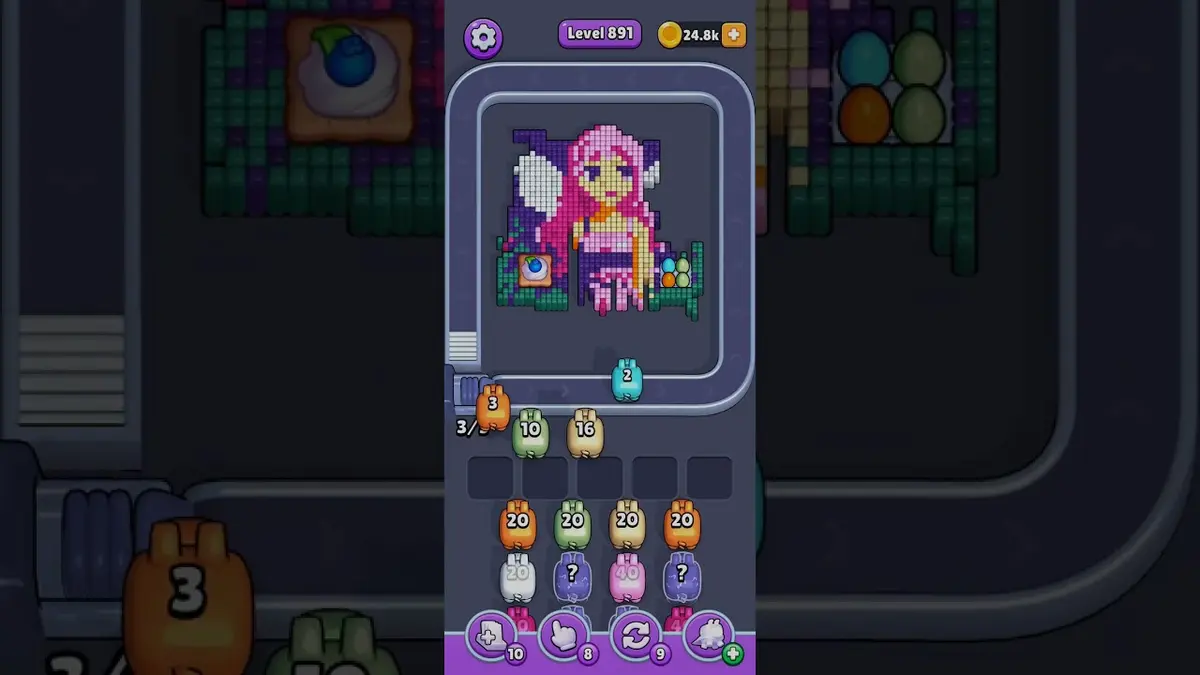
Anchor group board
- Keep one tray slot open until the opener tied to anchor group and border shape and the biggest anchor group near an edge is actually playable.
- A high-number board where large color groups make better anchors than scattered pixels.
- Use the visible large groups as anchors, then clean mixed pixels after the anchor opens.
- Without a board check, a nearby level can look correct but play differently.
- Save boosters until the anchor group is open and the belt order is the only issue. Open Guide
- If the anchor group differs, upload a screenshot instead of jumping to another video.
Enhanced Guides
Follow the checks in this order.
Enhanced pages add board-specific judgment. They still start with the picture because a close level number can hide a different layout.
Confirm the board family
Check the anchor group and border shape, the largest exposed group, and the border shape before trusting the level number.
Commit to one opener
Use the biggest anchor group near an edge to make space first. Switching targets too early usually creates leftovers instead of progress.
Protect the tray
Keep one slot for the anchor color. A pig that cannot spend most of its ammo right now is usually tray weight.
Fallback by picture
If the anchor group differs, upload a screenshot instead of jumping to another video.
Enhanced Guides
Anchor group board: what to check before you play.
Use these notes when the board image matches your screen. If the shape differs, jump to screenshot matching before spending boosters.
Picture match
A high-number board where large color groups make better anchors than scattered pixels.
Opener match
Use the visible large groups as anchors, then clean mixed pixels after the anchor opens.
Booster match
Without a board check, a nearby level can look correct but play differently.
Booster match
Save boosters until the anchor group is open and the belt order is the only issue.
Look for
anchor group and border shapethe biggest anchor group near an edgefive-slot pressuresame board outlineimage-only route checkcompare 745, 895, 1045
Use the image matcher when the same level number may show a different board.
Use the visible large groups as anchors, then clean mixed pixels after the anchor opens.
Decide whether a booster changes the next move or only delays a bad run.
Check Boosters
Use this sequence before spending a booster.
Enhanced pages are built around board reading: confirm the picture, find the opener, control the five slots, then decide whether a booster actually changes the next move.
Confirm the board family
Check the anchor group and border shape, the largest exposed group, and the border shape before trusting the level number.
Commit to one opener
Use the biggest anchor group near an edge to make space first. Switching targets too early usually creates leftovers instead of progress.
Protect the tray
Keep one slot for the anchor color. A pig that cannot spend most of its ammo right now is usually tray weight.
Fallback by picture
If the anchor group differs, upload a screenshot instead of jumping to another video.
Board Pages
What players noticed on this board.
Short route clues, booster reminders, and wrong-layout warnings stay attached to this exact board image.
I wait until the anchor group and border shape and the biggest anchor group near an edge both line up. If one clue is off, I assume it is a different board with the same level number.
Without a board check, a nearby level can look correct but play differently.
Save boosters until the anchor group is open and the belt order is the only issue. I check the opener first, then decide whether the extra slot actually changes the next move.
No player clues on this board yet.
Add a clue after you test the layout so the next route is easier to read.
Open Solver
Same number, different board?
Match your screenshot against 2020 board visuals, then return to the closest level page once the picture lines up.
Nearby board
Move through this range by picture.
Use nearby pages when your board has the same level band but the picture is slightly different.
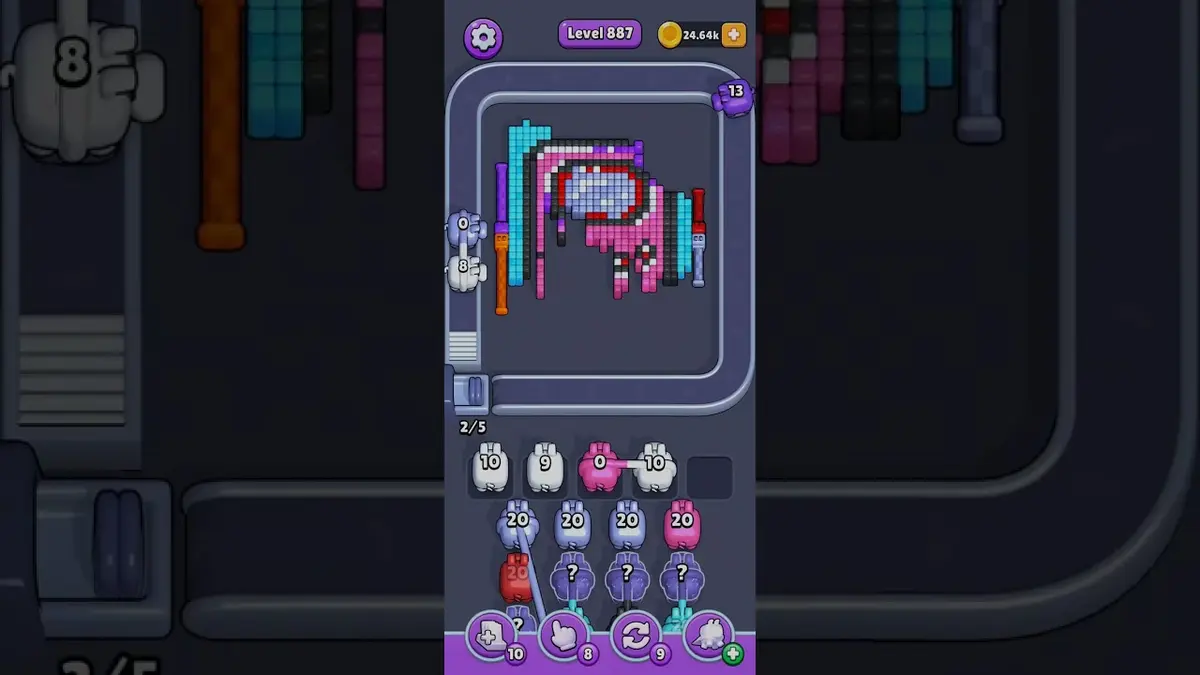
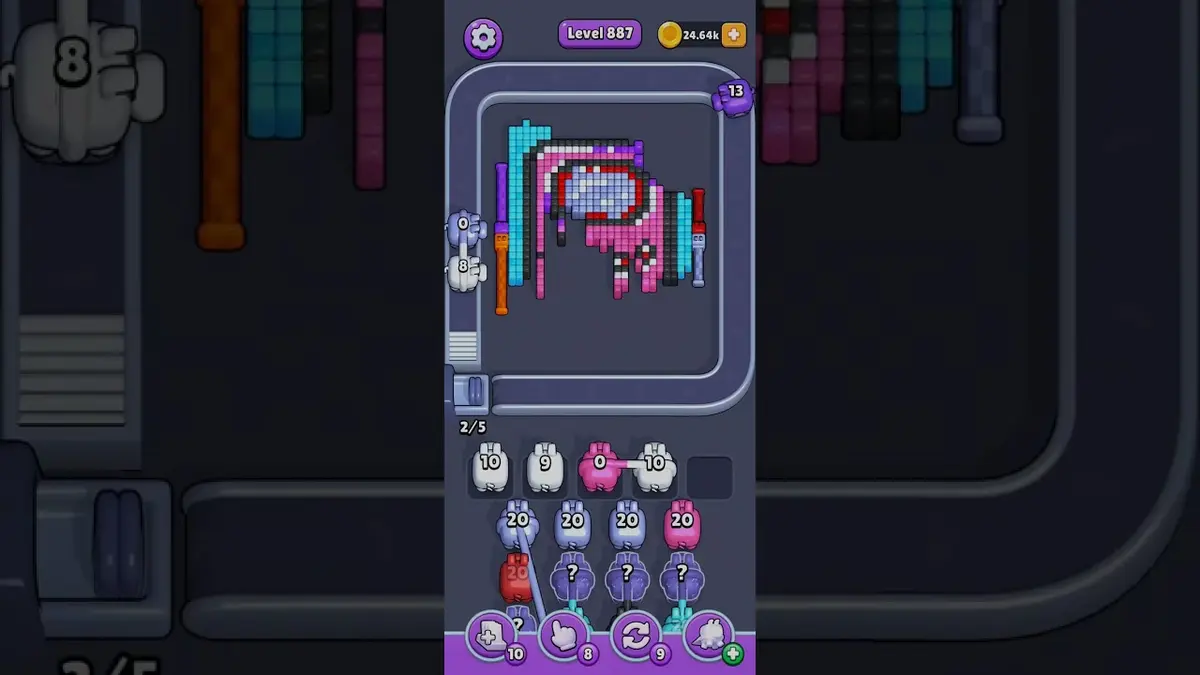
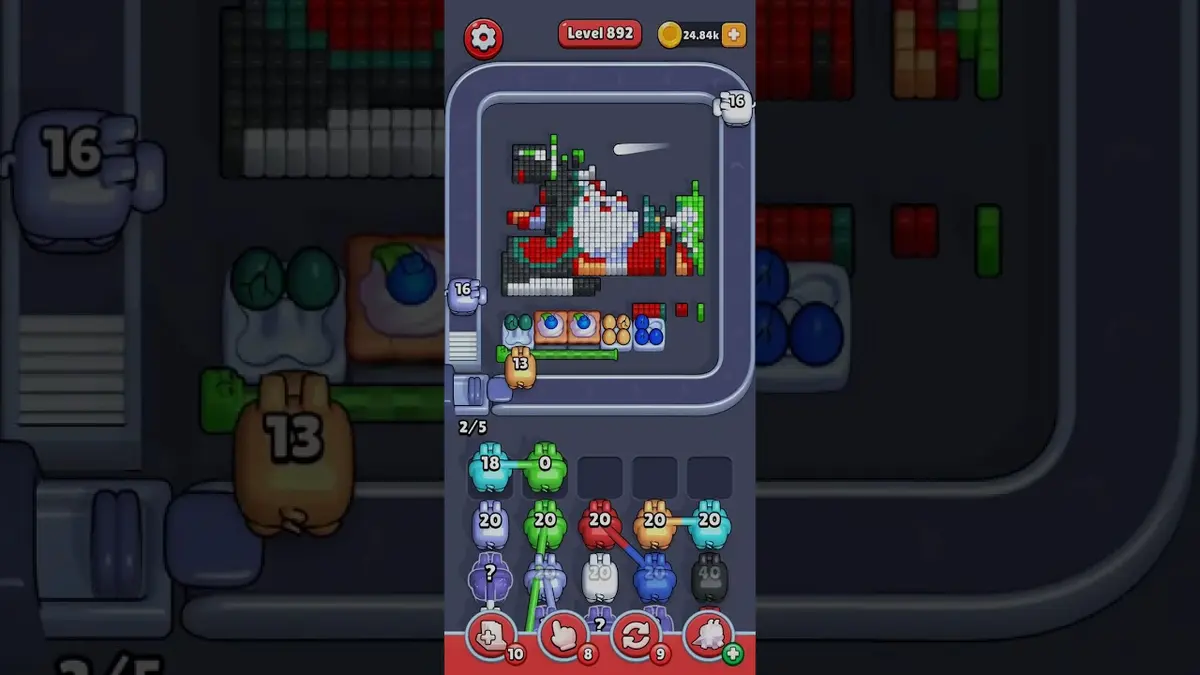
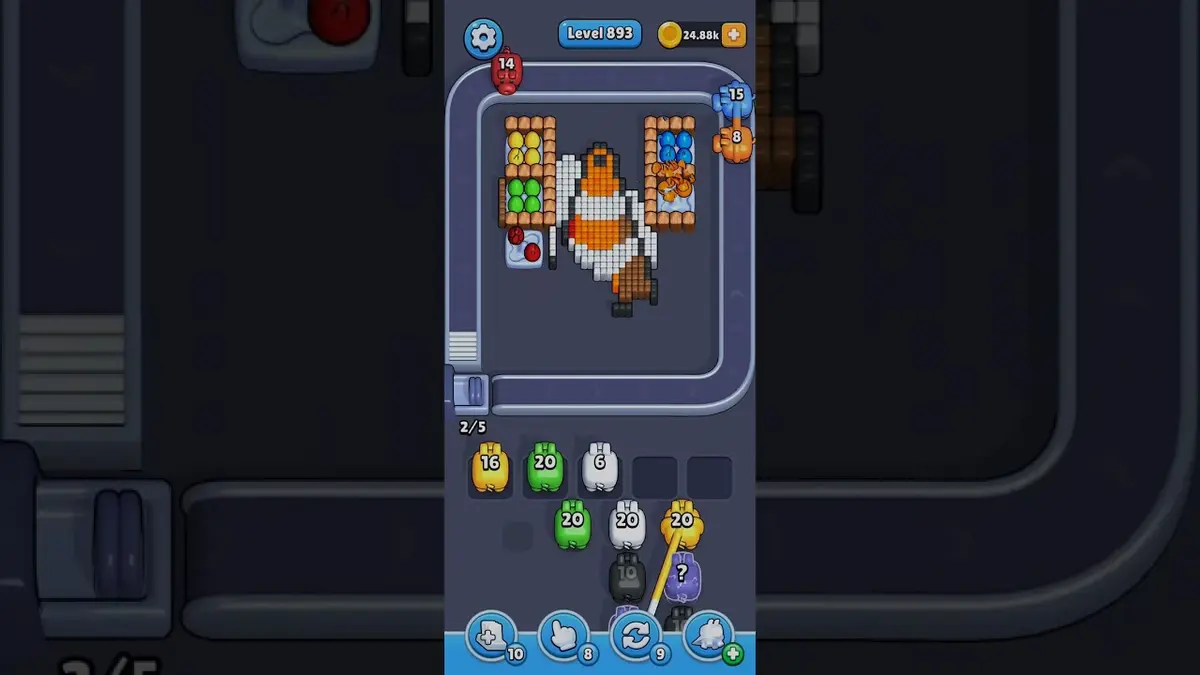
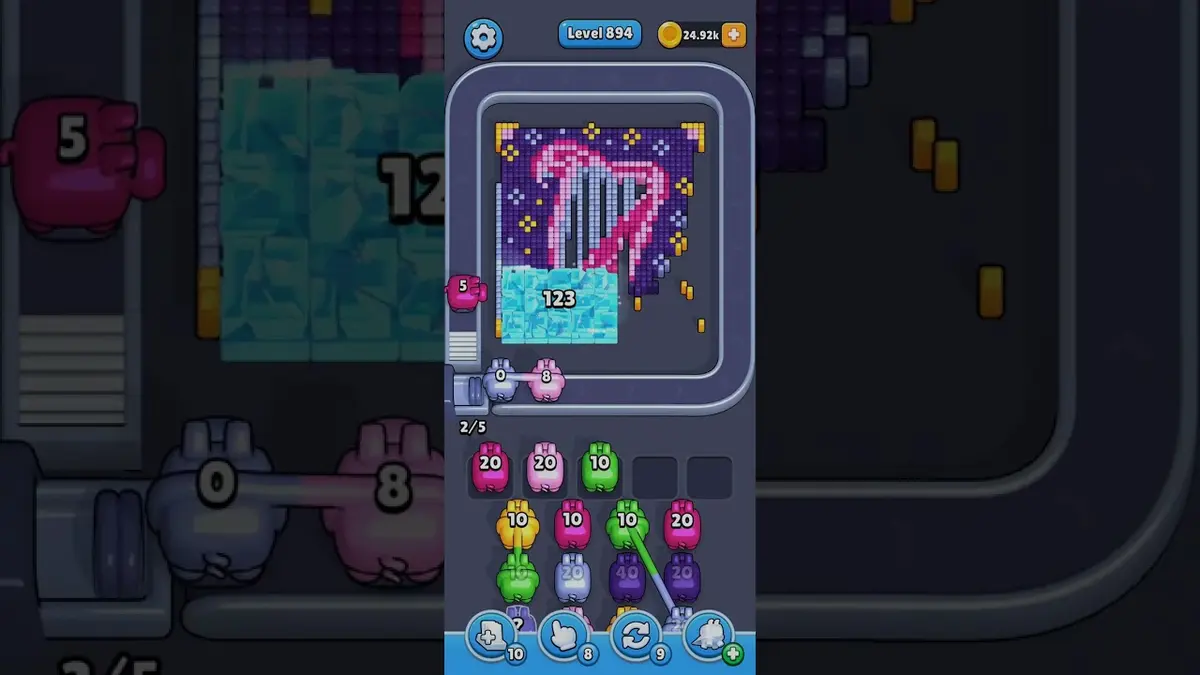
Nearby range
Browse the level range.
Open a few boards in the same small band when the level number is close but the image does not match.
Enhanced Guides
Open route logic near this board.
These pages may not be the same layout, but they show useful opener, tray, and booster decisions for nearby hard boards.
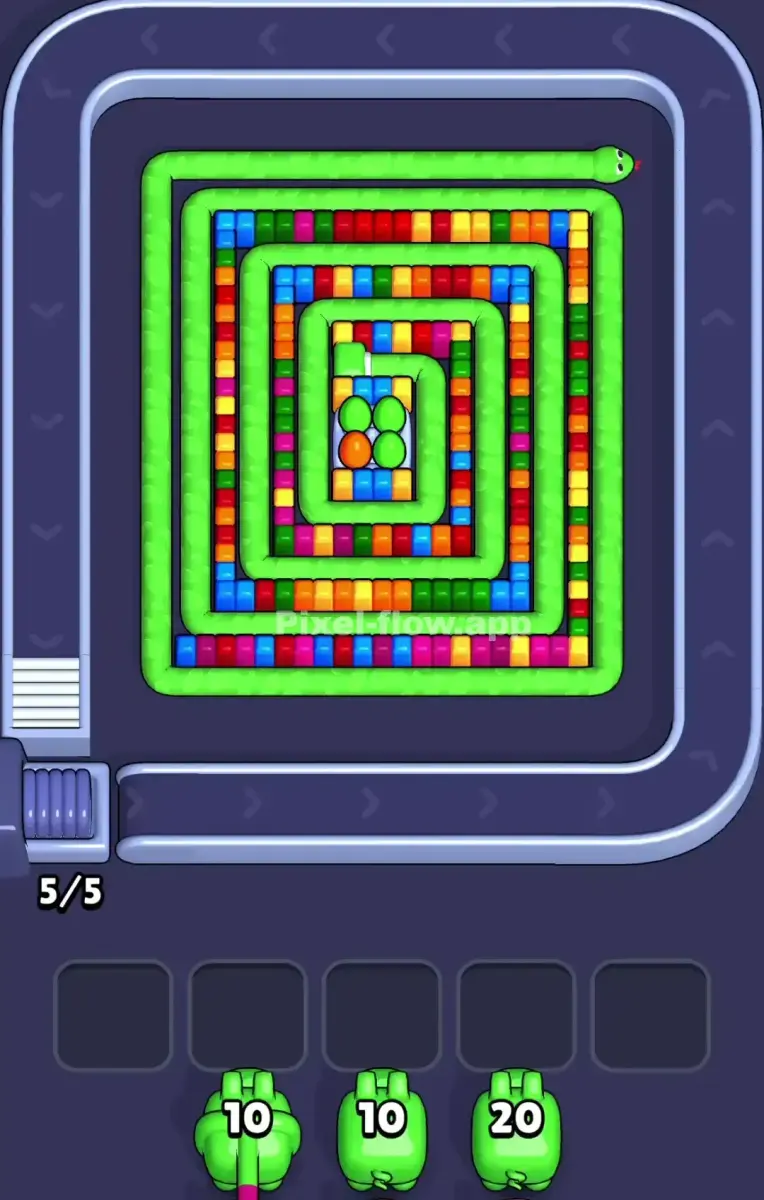
Level 895
Snake-style board
Peel the outside green coil first. The inner pockets are not reliable targets until at least one loop of the snake is broken.
Open Guide
Level 899
Enhanced
Start with the first color window that can clear fully. A useful opener should remove a connected group or create a wider lane, not just spend a few easy pixels.
Open Guide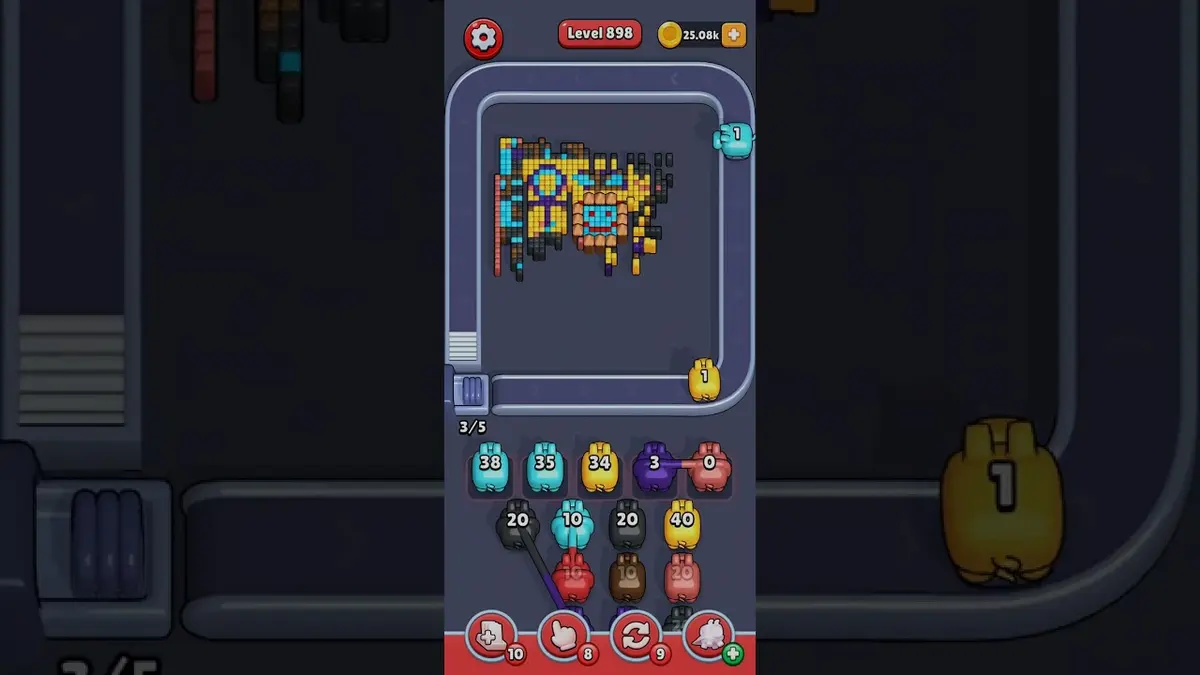
Level 900
Enhanced
Start with the first color window that can clear fully. A useful opener should remove a connected group or create a wider lane, not just spend a few easy pixels.
Open Guide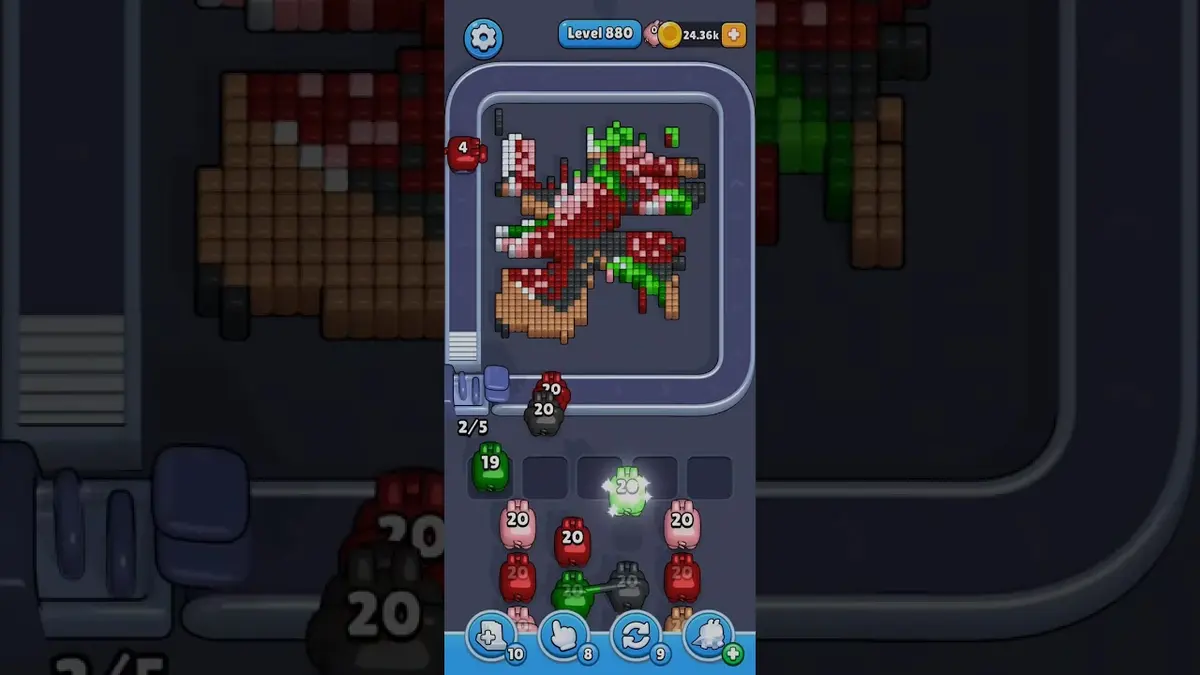
Level 880
Enhanced
Start with the first color window that can clear fully. A useful opener should remove a connected group or create a wider lane, not just spend a few easy pixels.
Open Guide
Comments
Comments (3)